
Adventures in AI Artwork – Part II
It’s been almost a year since I first wrote about my adventures working with AI generated artwork for an ongoing personal project. I’ve learned a lot since then, including that counting is apparently far, far harder for computers than I once thought it was, but it turns out that brushing up against the limitations of generative AI art can actually be a blessing in disguise if you’ve got the right mindset.
There is one thing to note before going any further though. While I did work with individual AI models on their native sites during my first “adventure”, this piece is a reflection on my experiences with the models available on NightCafe, not on the service itself. NightCafe (still an A+ operation itself, and still not sponsored) just provides access to AI art models via credits that can be earned or purchased. They also offer paid subscriptions. However, they don’t have any control over how the models themselves work, so please don’t consider anything written here as a criticism of their service. It’s about the services behind the service.
The Impossible Seven
Given the intensity and sheer quantity of discussion about AI these days, I’m going to assume you’re at least aware of some of the limitations of generative AI artwork, namely the fact that they never seem to know how many limbs and/or digits real live human beings have. Unfortunately, that problem seems to go beyond living beings.
Now I admit, I’m no AI expert, so I do still believe those who are when they talk about the dangers it may pose. However, I don’t understand why experts think that when the things can’t even count to ten.
That last comment might have been made in jest, but it does point to my biggest problem with AI generated artwork, which remains the lack of specificity in the prompts it can handle. You can get close to what you want, but when it’s time to fix precise details and edit creations, you should still be prepared for a hair-pullingly frustrating experience.
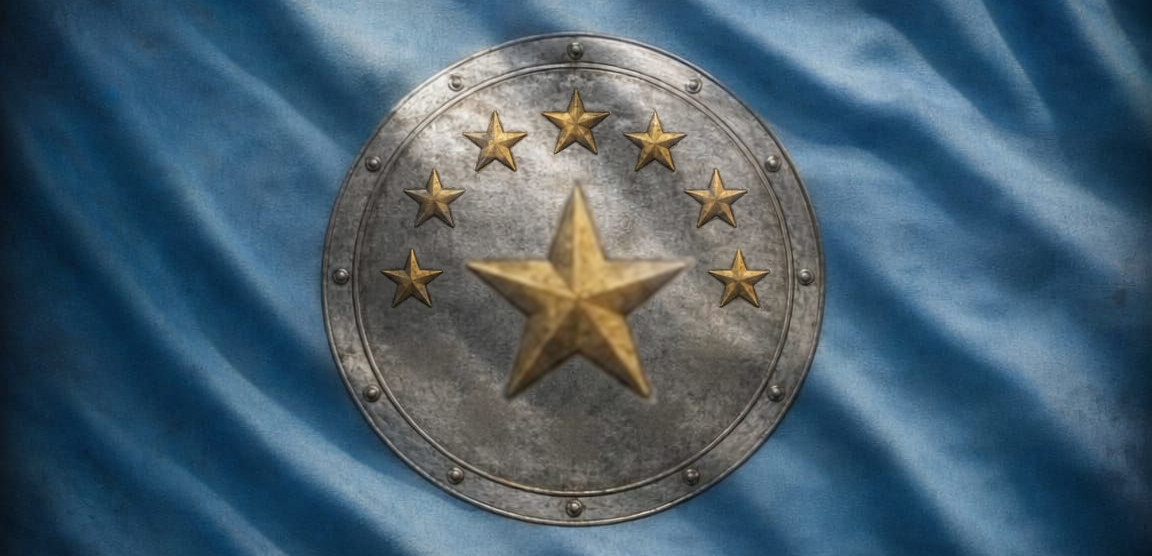
That’s because it’s been almost a year now and there have been literally no noticeable improvements. I say noticeable because I’m sure someone somewhere has done something, but I still find myself beating my head against the wall trying to get any of the models to arrange a set number of items in a set order. For example, I was attempting to create an emblem for a flag that featured seven stars arranged in a circle around an eighth central one. Include that in your creative brief to a graphic designer and you’re almost certain to get the right number of stars in the right position.
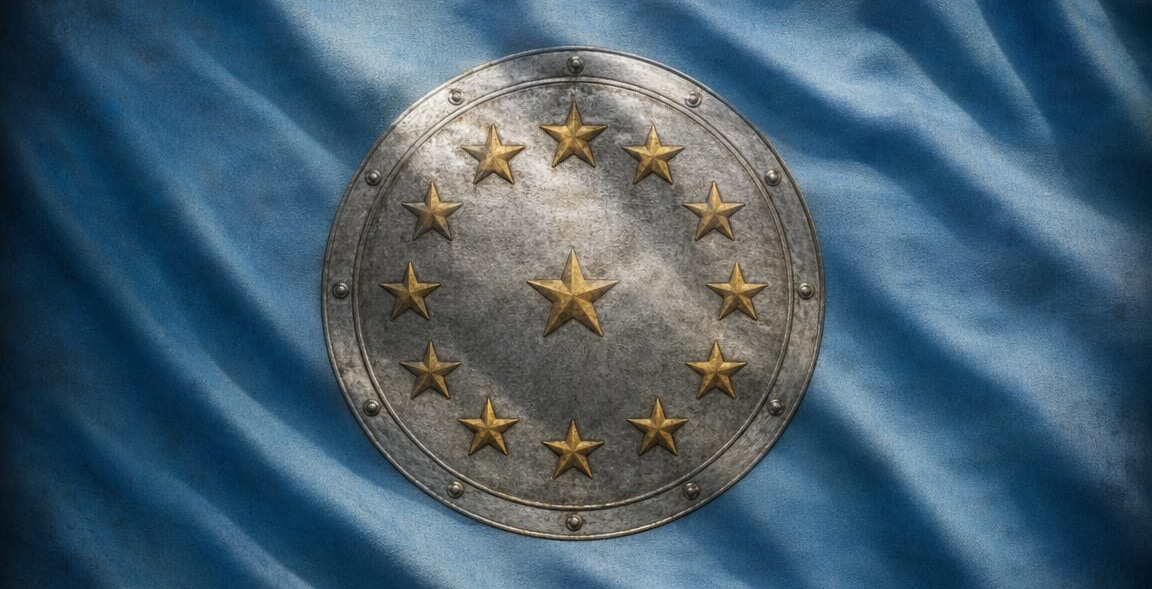
But make the same request of an AI art generator and you could wind up throwing away credit after credit after credit in record time. It didn’t matter whether I was using paid or unpaid accounts, using “pro” models or free ones, or how many different ways I restated the prompts—not a single one of the AI generators understood how to arrange seven stars in a circle. Eight? Sure. Six? No problem. 10+? Why not? But not seven. At least, not when I asked for that many. In fact, the only way I managed to get a usable image was to intentionally ask for the wrong number of stars in the prompt knowing the model wouldn’t listen. Not exactly an awe-inspiring display of technical artistic acumen, in my humble opinion.
The Disguised Blessing
Thankfully I’m not exactly the kind of guy to let these kinds of minor limitations stop me, so rather than beat my head against a wall, waste time on chat supports, and throw credits away at an astounding rate, I was eventually forced to take things into my own hands. That meant getting creative and finding ways to make edits on my own, which has taught me more about graphic design, color theory, compositing, background removal, colorization, and image editing than I ever learned in school. Not that I went to school for graphic design—I’m a writer first and foremost—but learning more about that side of things has proven invaluable and saved time, effort, and even money and credits, by not having to rewrite prompts.
I’m the kind of guy who likes to be taught the rules of a game but prefers to discover strategies and tactics on his own. That feeling when something finally clicks inside your head, or the satisfaction that comes from solving a problem, is what lifelong learners like me live for. That’s why fixing errors and running up against the limitations of what AI art can do has not only been a boon for my graphic design skills, but a personal blessing in disguise as well.

